Mobility is undergoing a profound transformation thanks to the adoption of advanced technologies based on the Internet of Things (IoT). These systems, combining intelligent sensors, connectivity, and real-time computing capabilities, are revolutionizing the way transport vehicles are monitored, managed, and optimized.
What Does IoT-based Mobility Mean?
IoT in mobility refers to the integration of connected devices that collect, process, and transmit data in real-time. Applied to vehicles and infrastructure, these systems allow continuous monitoring of parameters such as:
- Vehicle location and status.
- Energy and fuel consumption.
- Component wear.
- Traffic conditions and alternative routes.
Real-time Vehicle Monitoring
Thanks to IoT sensors, vehicle fleets – from public transport to commercial vehicles – can be constantly monitored. The advantages of this approach include:
- Predictive maintenance: The collected data allows anticipating failures and optimizing maintenance, reducing downtime.
- Route optimization: With real-time information on traffic and road conditions, it’s possible to reduce travel times and fuel consumption.
- Resource management: IoT systems provide a comprehensive view of operations, improving vehicle planning and allocation.
Real-time Computation: the Heart of Efficiency
A fundamental aspect of IoT-based mobility is the ability to process data in real-time. This functionality allows:
- Rapid response to emergencies: Such as sudden diversions, accidents, or adverse weather conditions.
- Providing information to users: For example, updated public transport schedules, parking availability, or accurate arrival estimates.
- Load optimization: By calculating the number of passengers on board or remaining capacity, fleets can be managed more efficiently.
Concrete Application Examples
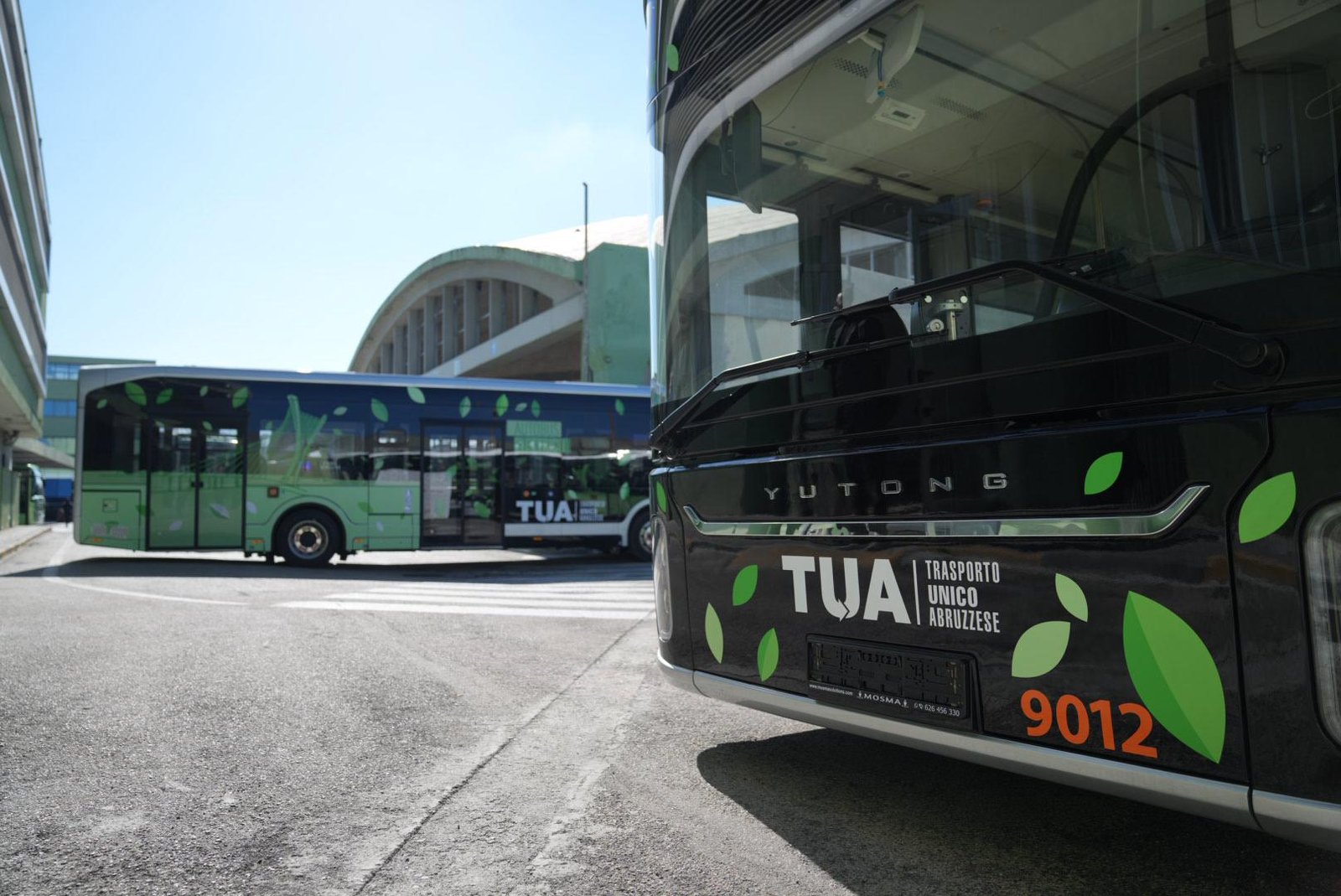
- Public transport: Systems that monitor bus locations in real-time and notify users of any delays or route changes.
- Urban logistics: Commercial vehicles equipped with IoT sensors to track deliveries and optimize loading and unloading times.
- Shared mobility: Monitoring of bicycle or electric scooter fleets, with real-time availability notifications to users.
Sustainability and Energy Savings
The use of IoT systems also contributes to environmental sustainability, reducing CO₂ emissions through:
- Optimized routes.
- Monitored and reduced energy consumption.
- Increased efficiency in managing electric vehicles, thanks to the supervision of battery status and charging infrastructure.
Challenges of IoT Mobility
Despite the advantages, IoT-based mobility faces some challenges, including:
- Data security: Protecting information transmitted by IoT devices is crucial to prevent intrusions or misuse.
- Technological integration: Connecting IoT systems to existing infrastructure can require significant investments.
- Reliability: Ensuring that sensors and networks function correctly in all conditions is essential for the success of these solutions.
A Connected and Intelligent Future
The adoption of IoT systems in mobility is not just a trend, but a necessity to address modern challenges such as urban traffic, sustainability, and the growing demand for efficient transport. The combination of real-time monitoring, advanced computation, and connectivity transforms vehicles and infrastructure into a dynamic ecosystem, capable of improving operational efficiency and user experience.
The mobility of the future is already here: connected, intelligent, and sustainable. For companies and public entities, investing in IoT technologies represents a decisive step towards a more effective and innovative transport system.